My Maiden Voyage into AI Assistance

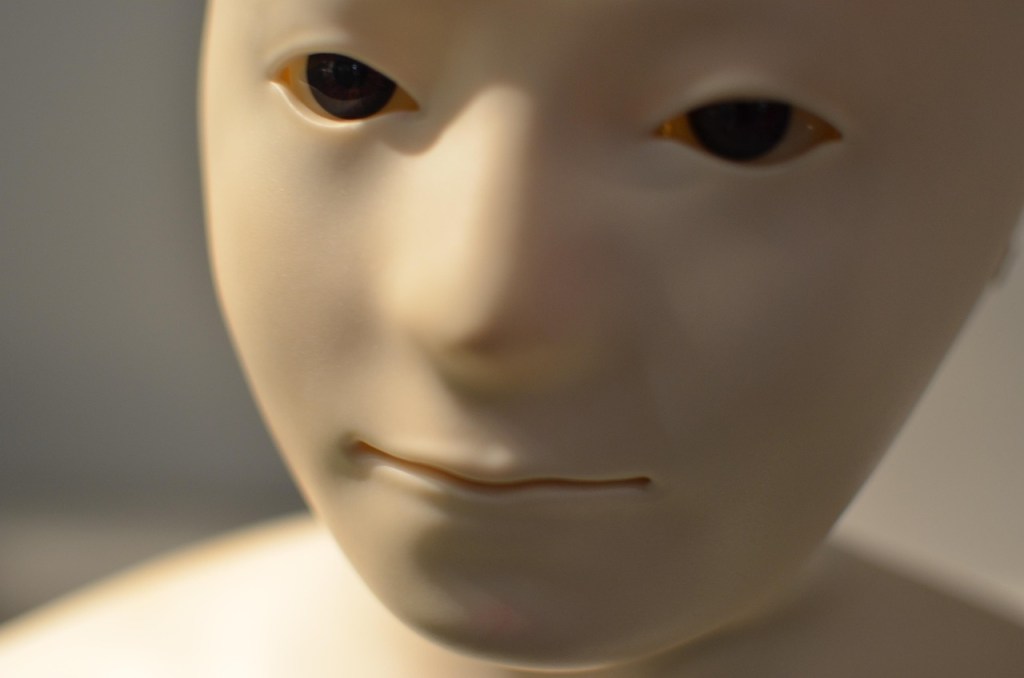
Image credit: Kuloser/Ruhrgebiet on Pixabay

For years, I’ve been listening to Joanna Penn sing the praises of using artificial intelligence [“AI”] to assist in various aspects of the writing and publishing process. Last week, I took the plunge (sort of).

Draft #4 of my current novel is fairly massive. As I worked on Section 3, I found myself wishing I had an outline of all the chapters and scenes to that I could ensure that I wasn’t repeating something I’d written weeks ago and that I wasn’t skipping over something I’d meant to drop in. If I were a best-selling and/or wealthy author who has an assistant, I’d ask my assistant to prepare the outline. As it was, I started an outline a few months ago, and the time it took sketch out just a few scenes made it clear that the task would not only be onerous, but would eat into time I’d rather spend writing.

Maybe it was listening to Joanna’s podcasts about using AI as a tool, but finally, I decided the time had come to be brave. I already had the free version of ChatGPT, so I asked it to outline Section 1 of the book. (The three sections are separate Word documents.) ChatGPT produced summaries of the first two chapters before informing me that I’d exhausted the capacity for the free version and I’d have to wait 24 hours for it to reset.

At this rate, it would take at least three solid weeks to get this outline, and likely longer. Rather than keep coming back every day for another chapter or two, I began researching other AI products to see what else had the capacity to outline a manuscript without being exorbitantly priced. ChatGPT had urged me to upgrade to its $30/month level, but I couldn’t tell how much of the book it would outline even then. I spent a few days trying to decipher AI lingo, including such terms as token and harness, and to sort out the parts I needed to care about.

Then, it dawned on me: I should just ask Joanna.

Continue reading

Glimmer

Photo credit: Arek Socha on Pixabay

I really thought my online expedition would do the trick.

At least once or twice a day, I get an email from Road Scholar. This is a company that leads tour groups all over the world. One of the differences between Road Scholar and other tour companies is that Road Scholar is all about education. They don’t just show you the animals—they tell you what they are and lots of information about them. You may also learn about the history of the region where you’re traveling. For a certain species of geek (me), this is a ton of fun.

In late winter, I received an email for an online expedition to the Arctic. Four days, three hours per day, plus lists of reference materials and suggested reading.

By this point, I was painfully aware that despite my internet research, I knew practically nothing about the Arctic. When you’re writing a book set largely at the North Pole, this can be problematic. After all, it’s not realistic to assume that the characters will never go outside, so what will they see? What birds and animals will be around? Also, what will they eat? It’s not as though they’re going to be having chicken and pork since they don’t have pigs and chickens, so what will the menu look like?

Continue reading

Morning Pages

Photo credit: StockSnap on Pixabay

The American Heritage Dictionary of the English Language (3d ed. 1992) defines “distract” thusly:

1. To cause to turn away from the original focus of attention or interest; divert.

2. To pull in conflicting emotional distractions; unsettle.

By these definitions, I have definitely been distracted lately.

Continue reading

Going Boldly Forth

“Ask and it will be given to you; seek and you will find; knock and the door will be opened to you. For everyone who asks receives; the one who seeks finds; and to the one who knocks, the door will be opened.” Matt. 7:7-8

It doesn’t take a genius to figure out that when Jesus spoke these words in the Sermon on the Mount, He wasn’t thinking about indie publishing. For one thing, none of the Big 5 publishing houses existed yet. Plus, Jesus didn’t have to worry about who would publish His sermons.

Continue reading

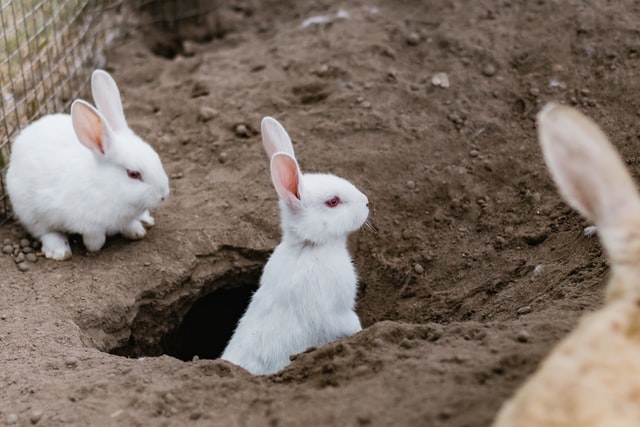
Down the Rabbit Hole of Research

rabbits in hole - Sincerely Media on Unsplash

Photo credit: Sincerely Media on Unsplash

The most important thing to know is what you don’t know.

In my case, this includes a wide array of topics. Luckily, I’m a researcher by trade and by nature. This has upsides and downsides.

The upside is obvious: people pay me to research things, which pays my bills. Having the time, experience, and inclination to dig deeply enables my clients to advise their clients of their options and rights. Knowledge is power, or so Sir Francis Bacon is believed to have said. Continue reading