In the law, we often criticize the opposing party’s position by arguing that they’re elevating form over substance. In other words, they’re too concerned about how something is to be done, rather than focusing on the purpose of what’s to be accomplished.
The author of Ecclesiastes tells us in chapter 3 that there’s a time for every activity under heaven. He even gives us a list of activities, and that list was made into a song back in the 1960s. (He doesn’t say “turn, turn, turn,” but maybe it’s implied.) Unfortunately, his list doesn’t say anything about a time to cease activity—in other words, a time to turn off the computer and (in the words of a very different author) go the f**k to sleep.
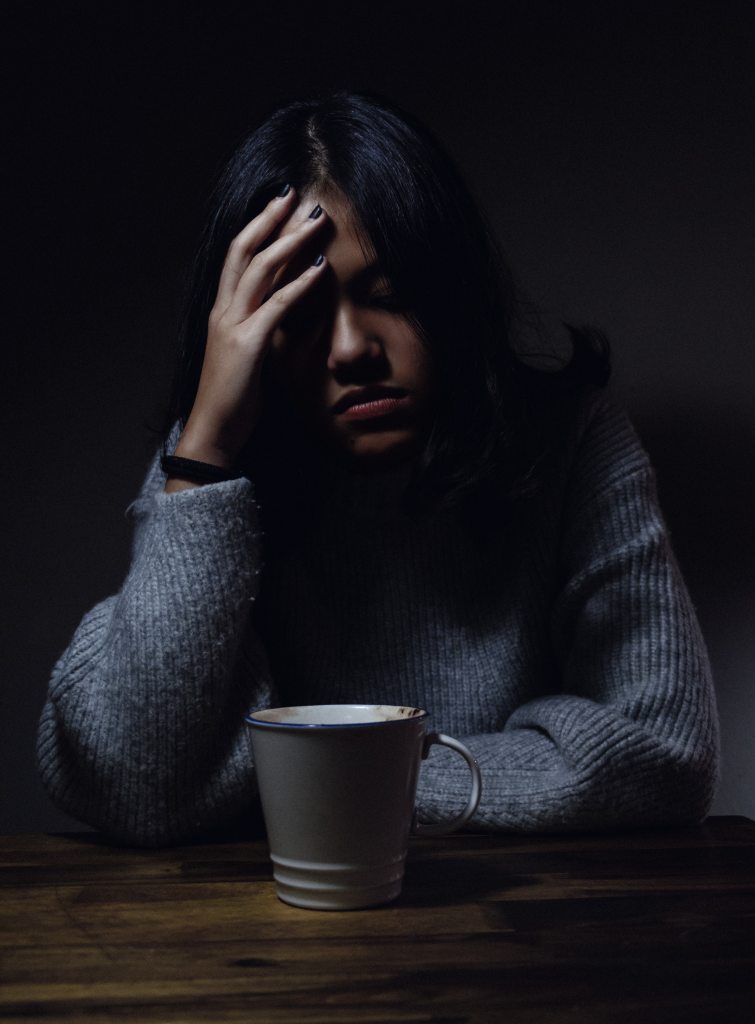
I’m not saying this is why I finished revising a motion to quash last night at 1:15 a.m. and then pushed myself to write my 1,000 words. It’s because I know myself well enough to know that if I skipped this one day, that would be the end of the challenge.
Scraps of time may be all you have to get the writing done.
I went to bed late last night. Three o’clock, to be precise. It was the best I could do after finishing all that needed to be filed, making a meat loaf, wrapping a friend’s birthday gifts, doing the billing so clients would send me money, and cleaning up the kitchen. I knew I’d have to be awake at 9:00 a.m. so I could buy a ticket to see Yo-Yo Ma at the Connecticut Forum, but apart from that brief moment of wakefulness, I figured I could sleep until at least 10:00; I already had plans to take Dad for a medical appointment, but I wouldn’t have to leave the house until 11:00.
Except just before 7:00 this morning, my sister texted to say that Dad fell, the ambulance was at the house, and he might need to go to the ER.
Tonight, I started with my main character walking in the woods. It’s actually a patch of woods I know, because it’s right in my town. Next thing I knew, she was remembering my memories, albeit tweaked to fit her. She recalled walking along the beach down on the shoreline, dinner in those eighties-style restaurants with lots of blond wood and ferns, and a bar my friends and I frequented in Westport where we drank white sangria and ate boursin and cheese. (I did say it was Westport.)
Recently, I heard a podcast guest talk about being a “discovery writer.” The term was new to me. The former appellation, which I never liked, was “pantser,” as distinct from a “plotter.” According to common wisdom in the writing world, plotters plan out their books before they begin, often writing lengthy outlines, while pantsers fly by the seat of their pants, writing whatever comes into their heads with no idea what’s coming next.
The sooner we learn this fact, the better. (By “we,” I mean me.)
Case in point: my workload was slow for the first half of May. Scary-slow. The kind of slow that makes you think, “Well, this is it. I had a good run, but it’s over.” Like Blockbuster, or the people who made 8-track tapes.
When I was in high school, I wrote constantly. Stories spilled out of my brain, and my pencil was barely swift enough to catch them all. Sprawled on my bed, upright at my desk, out on the swing (where the stories raced around my mind, here and gone in nearly the same instant). Summer nights while the rest of the family slumbered, the hours ticking away as I reveled in my made-up world.
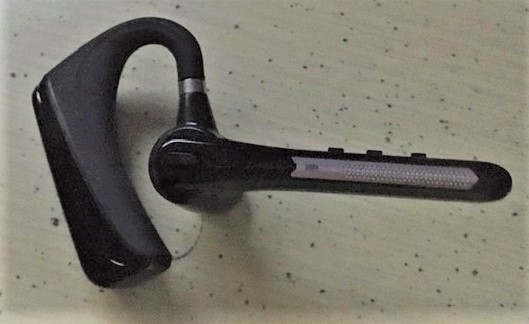
Which is why, when people talk about dictating their writing, I have visions of the device I used in the mid-1980s to transcribe tapes dictated by bosses who were far too busy to write words on a page. Notably, those guys (back then, men dictated and women transcribed) were considered cutting-edge (a term not yet invented) because they used a machine for dictating instead of having a secretary sitting in front of them with a steno pad.
How many of the following have you heard, read, or said in the past year?
“We couldn’t go to Florida this year because covid.”
“I have a Zoom meeting at 3.”
“My kids are doing remote today.”
“Senior shopping hours start at 6 a.m.”
“My church has in-person worship, but you have to register.”
“I got my vaccine appointment!”
“Can’t believe the hospitals are low on PPE again.”
“Our state’s positivity rate is down to 2.5%.”
“We do curbside pickup!”
“I’d love to go to the U.K., but they’re in lockdown.”
“I missed Thanksgiving because I had to quarantine.”
“Did you get Pfizer, Moderna, or J&J?”
“Mask up.”
Two years ago, none of these lines would have made sense. Now, we’re fluent in the language of the pandemic. Statements like these brand us as the people who have spent the past year battling the deadliest virus any of us could ever have imagined.